Tensions Between the U.S. and Iran: A Fragile Ceasefire at a Crossroads
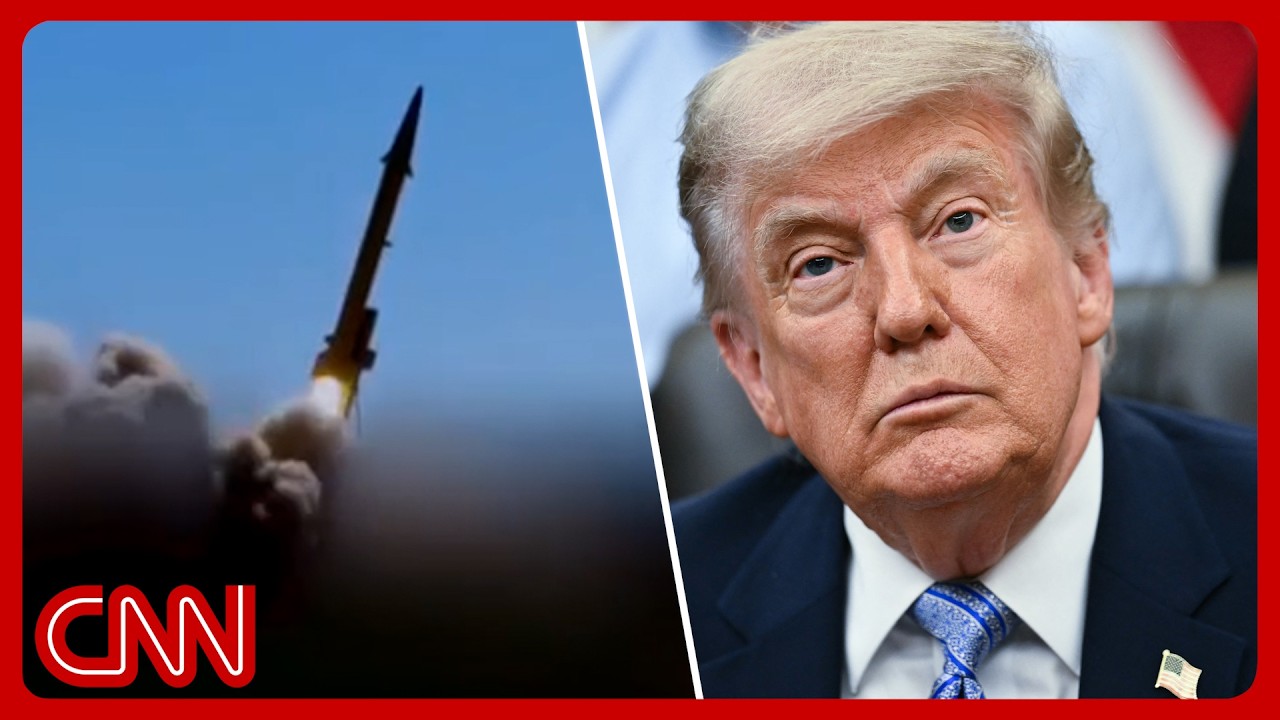
Overnight, the U.S. military reported that it successfully intercepted two Iranian ballistic missiles aimed at American forces in Kuwait. Fortunately, no U.S. personnel were harmed during this incident. This escalation follows defensive strikes by the U.S. against Iranian military sites, signaling a critical juncture in an already complex geopolitical relationship. The backdrop of these developments includes the release of new footage of missile launches from Iran, aired by state media, though its authenticity remains unverified by independent sources.
As President Donald Trump seeks alterations to the proposed memorandum of understanding (MoU) with Tehran, aimed at solidifying a tenuous ceasefire, the uncertainty looms larger than ever. Attempts at negotiation have seen mixed signals, emphasizing a precarious balance of power between the two nations.
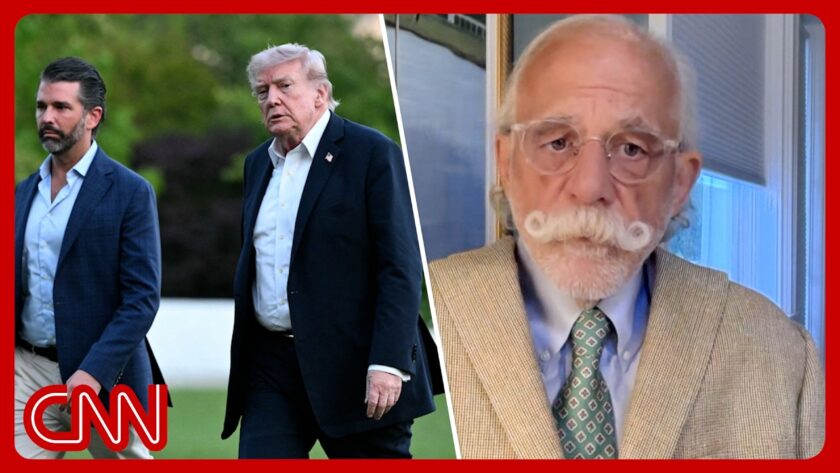
CNN’s international diplomatic editor, Nic Robertson, sheds light on the current state of negotiations. The situation appears increasingly protracted, with previous momentum stalling following suspected breakdowns in trust. Pakistani mediators had made significant progress in Tehran, leading many to speculate that a deal was imminent. Yet, as discussions morphed into a cycle of rhetoric, mistrust has settled like a fog over both sides.
The ballistic missile interception adds to a pattern of rising tensions. Central Command (Centcom) reported that the U.S. effectively neutralized the missile threat early in the morning, suggesting an uptick in Iran’s military responses. U.S. and Iranian sources describe the atmosphere as being on a “hair trigger,” ripe for possible military escalation.
However, immediate concerns about a broader conflict seem mitigated. Kim Dozier, a global affairs analyst, pointed out that while skirmishes have continued, we have yet to witness large-scale military actions akin to previous conflicts. The strategy may hinge on the upcoming calendar events, including the Hajj pilgrimage, which had prompted Saudi Arabia to urge America to halt strikes until after the holy period. As negotiations teeter on a precipice, the U.S. administration must balance pressure to act decisively with calls for diplomatic restraint.
Colonel Cedric Leighton, a military analyst, offered insights into the operational challenges U.S. forces face in the region, particularly in the Strait of Hormuz. With naval assets guiding commercial shipping through these strategically vital waters, the Navy must remain vigilant against potential threats such as mines and drone strikes. The narrow passage has historically posed risks, and the complexities of Iranian capabilities present a persistent concern.
On the Iranian side, the chief negotiator’s statements indicate a firm stance against U.S. actions, describing them as violations of the ceasefire. By involving regional conflicts like the situation in Lebanon, Iran signals that its expectations extend beyond mere nuclear negotiations. This expansion complicates an already nuanced diplomatic landscape, as military engagements in Lebanon and Israel further entwine with U.S.-Iran discussions.
Despite a general belief that a deal could still materialize, obstacles remain daunting. Analysts suggest that Trump faces internal political pressures from hardliners within his party who oppose any semblance of cooperation with Iran. Furthermore, Iran has made it clear that they seek guarantees of compliance and tangible benefits before committing to any agreement; a reluctance to be ensnared in a public relations backlash facts heavily into their decision-making process.
While President Trump has characterized negotiations as largely finalized, the reality is more complex. The intricacies of the proposed MoU necessitate careful consideration of technical details regarding Iran’s nuclear program, much of which remains under contentious debate.
In summary, the path ahead is fraught with tension and uncertainty. With military confrontations continuing and negotiations stalling, the prospect of a sustainable resolution hangs in the balance. Both nations must navigate not only their direct interests but also the influences of a broader geopolitical landscape that could easily tip from diplomacy into open conflict. The next few weeks will be critical in determining the trajectory of U.S.-Iranian relations and, by extension, regional stability.